
66 years, 8 months
What would I now tell my mid-career self?

Last month, I hit a milestone, at least as far as the Social Security Administration is concerned: my “full retirement age” of “66 years and 08 months.” (Yes, the paper letter the SSA sent me used the leading zero. Thank you, last century’s technology.)
It reminded me, though, that the unofficial tag line of Franksplaining is “explaining through experience.” 800 months? That seemed to be enough experience to share a few practical work and life tips I’ve gathered along the way.
In the spirit of providing useful context, let me offer this as advice I wish I’d given my 40-year-old self. Lots of people talk about what they’d tell themselves as teenagers. More interesting, to me, is what to tell someone who may think they already have it all figured out.
At 40, you’re mid-career, even if you don’t think of your work as a “career” in the traditional sense. If you’re going to develop specialized expertise, achieve peak productivity and pursue the potential for your highest-earning years, odds are at 40 you’ve got the skills and stamina to pull it off. You’ve made those early-career mistakes, grown a professional network and figured out what, to you, “work-life balance” might mean.
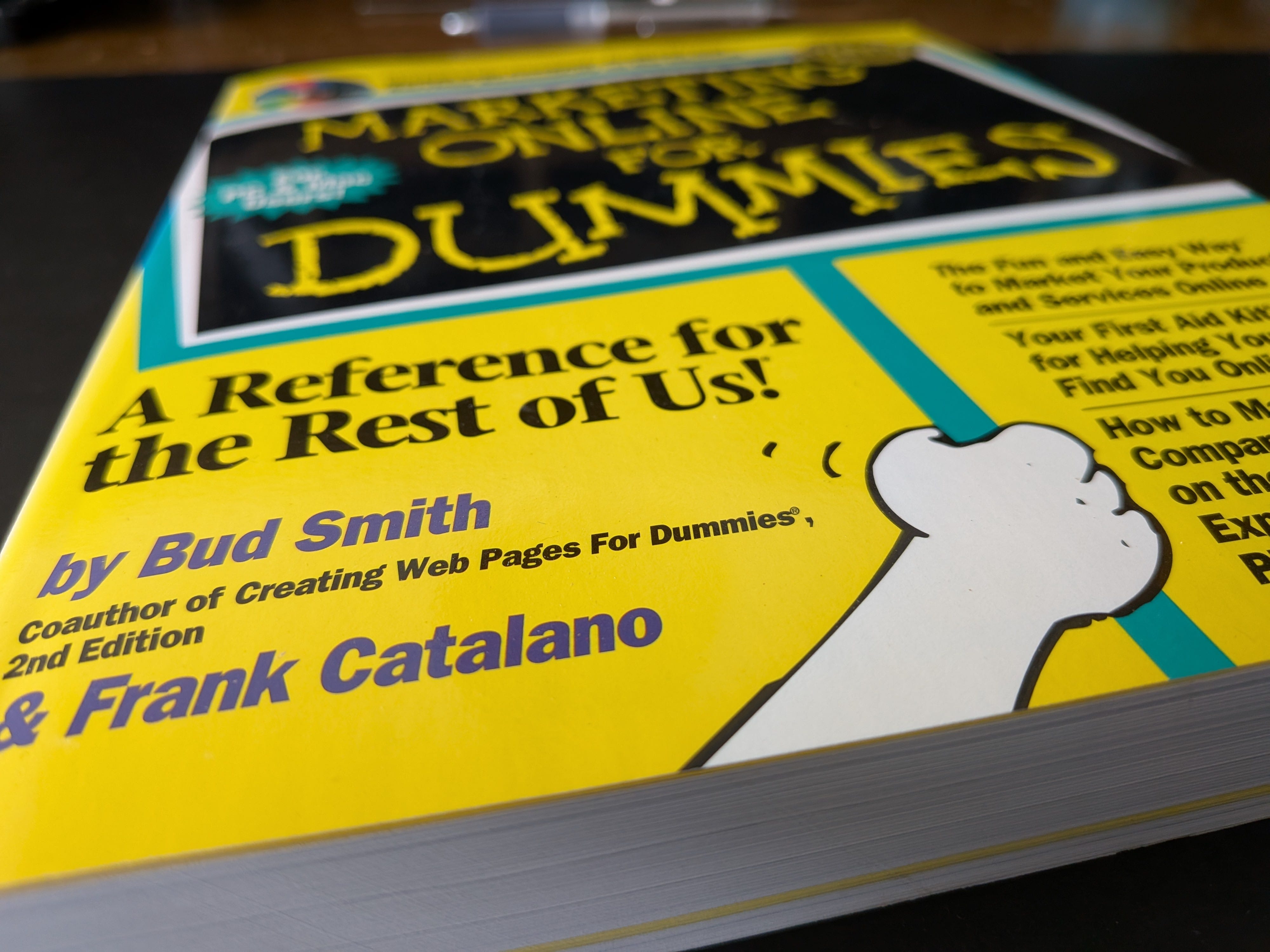
For example, when I was 40, I had put one brief career behind me (broadcasting) and was established in my second (technology marketing) with several executive-level staff and consulting roles under my belt, enough to give me the insight to also co-author two Dummies books on online marketing and be a busy public speaker.
What notes could prepare a 40-year-old for the next quarter century?
Time is not on your side
Tick tick tick. You are aging. While you were once part of an upstart generation thinking it could reinvent, or even newly invent, an industry, you have now just crossed the generational line into being part of the “old guard” — the generation you’d hoped to replace.
Don’t think those behind you on the career path don’t know it.
In a few years, you’ll start to be discriminated against as you visibly age. It probably won’t be overt. It’ll be couched as concern: a prospective employer wondering if you can “handle a startup pace,” a current company claiming it “needs the freshest ideas” to qualify for a promotion. Understand that ageism is real.
The first real shock will be when you find out a new boss is younger than you are. Significantly younger. Holy-crap-are-they-even-out-of-high-school younger.
At this point, your lofty title, your years of experience and your resume — by themselves — mean less than they did. What will make you valuable is what you can do directly, or make happen indirectly, by leveraging your extensive contacts and skillset (ideally, it also makes your boss and younger co-workers look good). In addition to meeting the goals the company has set.
Part of this, too, is adjusting your mindset. I learned to view every job through the lens of an outside consultant. What critically needs to get done, damn the internal politics? What approaches haven’t been considered?
Then pick the projects to pursue in spaces where no one cares, or in moments when no one is looking, and run fast to the finish line. Once it’s clear what’s been accomplished, give plenty of credit to others.
As you age, focus on your contribution, not status. The former will help you maintain the latter far more than simply demanding that you’ve earned it because of how long you’ve lived.
Experiences aren’t always repeatable
When young, it’s easy to defer personal experiences to another, maybe more-convenient or less-pressured time. Work takes priority when you want to get ahead.
But a dirty little secret of post-40 life is needing to realize you could die at any time.
A batch of studies I once collected as research for an unfinished novel found that men in their 40s were more likely to die as pedestrians or by lightning strikes than any other age group, and equally likely to die a violent death as those in their 20s. That doesn’t include medical-related deaths, such as cancer, or those taken by suicide, which sadly has claimed more than one of my close professional friends.
So treasure the few hours in an unfamiliar city on a business trip. See a museum. Visit a public market. Build in a couple of hours at the beginning, the end or between meetings. You may not be back. And you will remember it far more than a featureless hotel conference room, office or airport gate.
In the same vein, take walks. While I also advocate more intense work outs and practicing light yoga (for preventing or relieving the aches instilled by airplane seats), walking is something you can do anywhere. Do it while your smartphone is not in use to give your brain a rest and reset. A half-hour daily will actually increase your productivity, not limit it.
Both activities will freshen your perspective on work tasks and may spur a new idea or two. These brief breaks can keep you energized, productive and more resilient when facing burn out.
Be fully aware of how you treat others
One of my worst experiences as a tech company vice president was being told, by an incoming “turnaround specialist” CEO, that stiffing contractors on payments for work already completed and laying off staff without notice or severance wasn’t personal, it was “just business.”
One of my best experiences was unexpectedly being thanked by a former co-worker I ran into at a conference. She was now a C-level executive. She explained that, years earlier in a large management meeting when I had been an exec and she had a less senior title, I had asked for her thoughts after I noticed she hadn’t had an opportunity to provide strategy input because others were dominating the discussion. For me, it just made sense to get feedback from everyone who was at the table. Yet she hadn’t forgotten that request.
It’s always personal when you’re dealing with people. People want to be heard. People want to be valued. But it can be hard to practice when those around you don’t model that behavior. So model for others how you want team members to be treated. It can have positive reverberations, years later.
If, inevitably, something does go wrong and you start to lose it, don’t get angry — be disappointed. Not only is there less heat that gets in the way of light needed to resolve an issue, but you won’t waste precious energy. (Remember, you’re older.)
Finally, value your true professional friends. You will find that of all the people you work with, those who will voluntarily keep up with you across jobs and over years — when you can do nothing for them — are rare. Visit. Have dinner. Don’t fall out of touch. Even if you don’t think you have anything to talk about. You’ll find something.
Oh. And about reaching that 800-month milestone? Well, I’m not fully retiring yet. I still need more time to refine, and discover, additional work-life lessons.